
How War Dog Teams Trained: Lackland AFB and Fort Benning
In the shadow of the Vietnam War, the U.S. military transformed ordinary dogs into specialized warriors through a rigorous two-stage training pipeline. Lackland Air Force Base in San Antonio, Texas, served as the Department of Defense’s primary hub for procuring, evaluating, and initially training military working dogs. Here, thousands of German Shepherds and other breeds underwent sentry and patrol drills, basic obedience, and comprehensive veterinary screening before being matched with handlers.
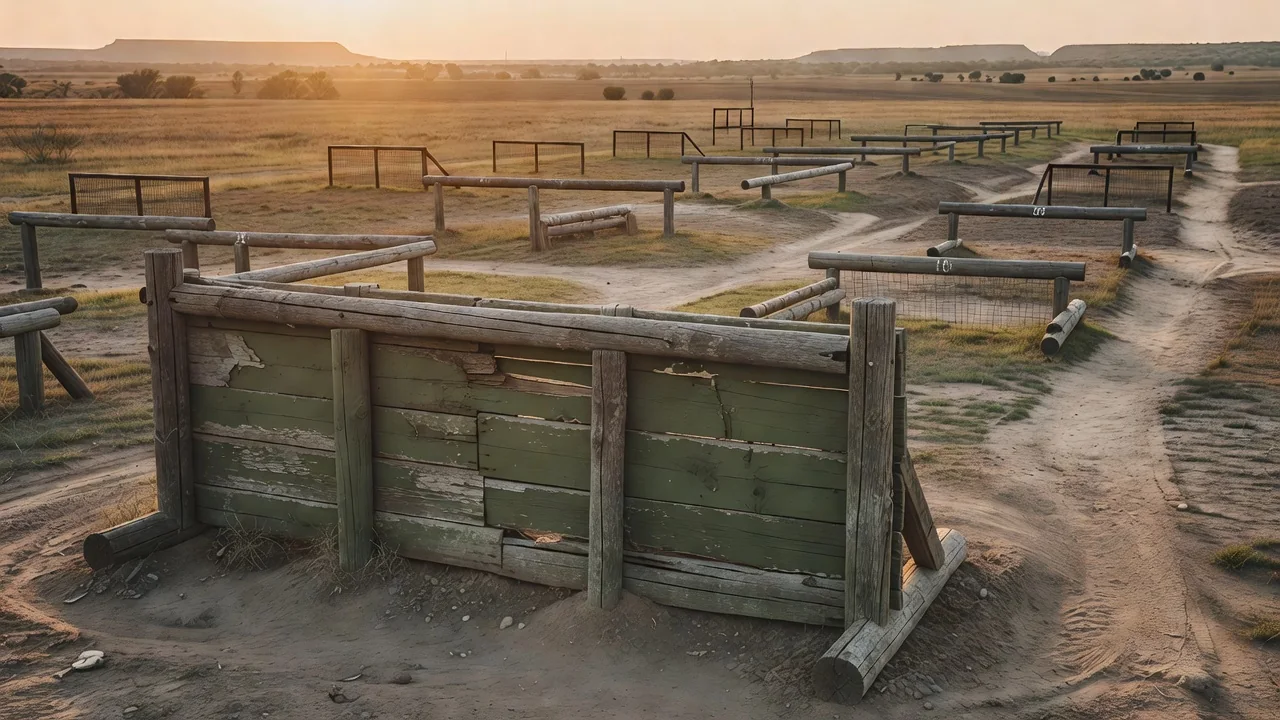
The bond between dog and soldier was never left to chance. Once basic training wrapped at Lackland, selected handler teams shipped to Fort Benning, Georgia, for the demanding Scout Dog Handler Course. For roughly twelve weeks the pairs lived, ate, and trained together around the clock. They navigated dense pine forests, crawled through obstacle courses, and practiced reading the subtle shifts in a dog’s posture that signaled hidden enemies, booby traps, or approaching patrols.
The One-Dog, One-Handler Rule
Central to the entire program was the unbreakable one-dog-one-handler policy. Once paired at Fort Benning, that specific soldier became the only person authorized to work, feed, or correct the dog. This rule prevented confusion, built unshakable trust, and dramatically improved performance in combat. Handlers learned to interpret every ear twitch, tail position, and low growl as battlefield intelligence that could save an entire platoon.
Daily Life at Fort Benning
Mornings began before dawn with obedience drills on the parade field. Teams then moved into the woods for scent detection, tracking exercises, and night patrols. Instructors simulated ambush conditions, forcing handlers to rely entirely on their dog’s superior senses. Afternoons focused on veterinary care, first-aid drills, and equipment maintenance. By graduation, each team had completed more than 400 hours of field exercises together.
The training emphasis on mutual dependence paid dividends in Southeast Asia. Dogs alerted to ambushes, located wounded soldiers, and cleared minefields with a reliability that technology of the era could not match. Many handlers still speak of their wartime partners with the affection reserved for family members.
Key Training Phases at a Glance
| Phase | Location | Duration | Focus Areas |
|---|---|---|---|
| Procurement & Basic Training | Lackland AFB, TX | 8–10 weeks | Obedience, patrol, veterinary evaluation |
| Scout Dog Handler Course | Fort Benning, GA | 12 weeks | Alert reading, obstacle work, live field exercises |
| Deployment Prep | Both sites | Variable | One-dog-one-handler bonding, final health checks |
- Handlers slept beside their dogs in kennels to strengthen the bond
- Training included realistic night patrols under simulated enemy fire
- Dogs learned to ignore livestock, civilians, and friendly troops
- Graduation required passing a 10-mile tactical march with full gear
The legacy of these programs still shapes today’s military working dog doctrine. The emphasis on early pairing, intensive live training, and absolute handler loyalty remains the gold standard for producing dogs that can think and react under fire. For the men who trained at Lackland and Fort Benning, those twelve weeks in Georgia forged partnerships that often lasted a lifetime.