
War Dog Memorials Across America: Where the Dogs Are Honored
Across the United States, quiet bronze figures and granite plaques honor the four-legged warriors who served beside American troops. These memorials remind us that military working dogs have sniffed out explosives, tracked enemies, and saved countless lives in every major conflict since World War II. Their stories deserve to be remembered alongside the human heroes they supported.
From California to Texas, these sites give handlers and civilians a place to reflect, train new dogs, and teach younger generations about the bond between soldier and canine. The movement to honor them properly began with a handful of determined veterans who refused to let their partners be forgotten.
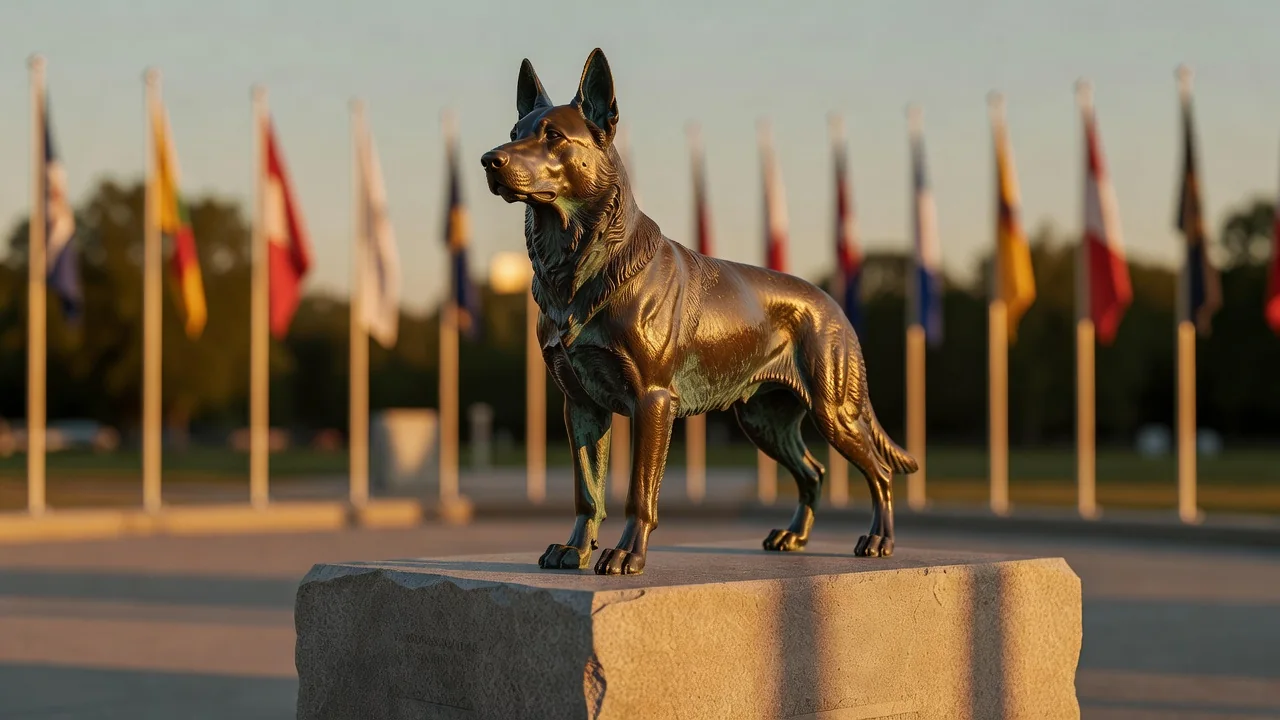
The California Pioneer
The War Dog Memorial at March Field Air Museum in Riverside was one of the first major tributes when it was dedicated in 2000. A life-size bronze German Shepherd stands alert beside his handler, both captured mid-patrol. The sculpture sits on a granite base etched with the names of fallen dogs and the conflicts where they served. Visitors often leave dog tags and tennis balls at its base, a small gesture of respect that handlers say feels exactly right.
Texas Takes It National
In 2013 the Military Working Dog Teams National Monument opened at Joint Base San Antonio-Lackland, the birthplace of modern military dog training. This larger installation features four bronze dogs representing the primary breeds: German Shepherd, Belgian Malinois, Labrador Retriever, and Dutch Shepherd. Each figure stands with its handler in a patrol formation, capturing the trust and focus that define these teams. It remains the only national monument specifically dedicated to dog-handler partnerships.
Smaller but no less meaningful memorials exist at Fort Moore (formerly Benning), Lackland’s predecessor sites, and several other Army and Marine posts. These often take the form of simple plaques or statues placed near working kennels so today’s dogs can “meet” their predecessors during daily routines.
The Long Campaign for Recognition
Veterans from the Vietnam Dog Handlers Association spent decades lobbying for broader acknowledgment. Their efforts helped secure the 2013 national monument and pushed successfully for a commemorative postage stamp featuring military working dogs. The stamp, released in 2019, showed a Malinois leaping from a helicopter—exactly the kind of image handlers wanted the public to see.
| Memorial | Location | Dedicated | Key Feature |
|---|---|---|---|
| War Dog Memorial | March Field Air Museum, Riverside, CA | 2000 | Bronze shepherd and handler |
| Military Working Dog Teams National Monument | Joint Base San Antonio-Lackland, TX | 2013 | Four breeds in patrol formation |
| Fort Moore K9 Memorial | Fort Moore, GA | 2015 | Life-size Belgian Malinois |
| Vietnam Dog Handler Plaque | National Infantry Museum, GA | 2009 | Engraved with 4,000+ dog names |
These memorials do more than mark history. They serve as gathering spots where aging handlers reunite, new trainers learn the traditions, and families of fallen handlers find comfort. At Lackland, you can still watch young dogs train on the same grounds where the monument stands—a living legacy that connects past and present.
Next time you pass one of these quiet bronzes, take a moment. The dogs never asked for recognition, but they certainly earned it. Their statues now stand watch across America, forever on duty.
- Leave a tennis ball or small toy when you visit
- Read the engraved names aloud if no one else is around
- Support organizations that provide retirement care for working dogs
- Teach children that these heroes had four legs and wet noses